

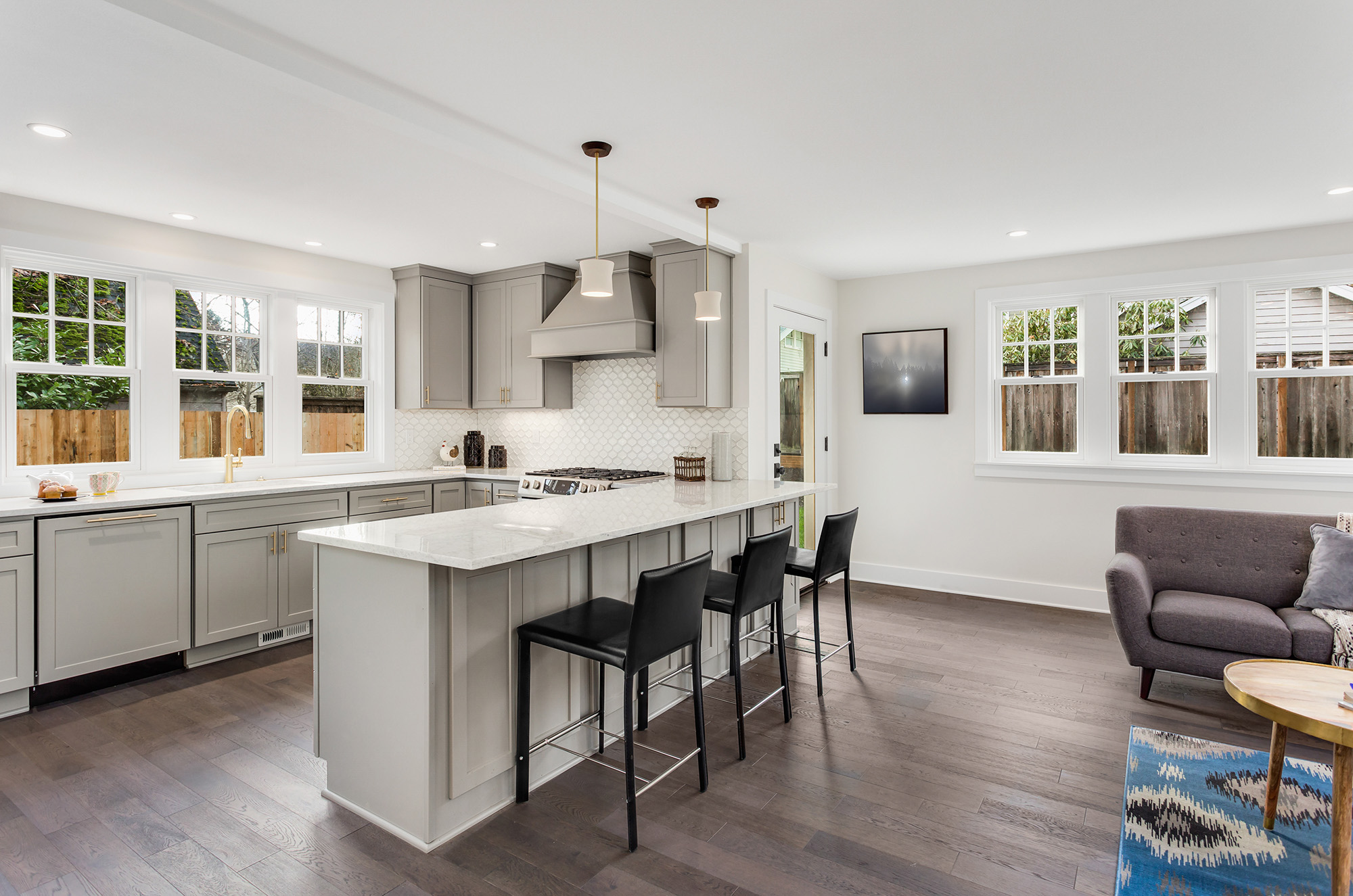
Ranch families ask this question for a good reason. A show home in town and a working cattle operation near Seymour or Graham do not put the same load on a floor, and the answer changes depending on wear layer, core density, and how the floor gets treated between calving season and county fair season.
What Makes Ranch Traffic Different From Normal Foot Traffic
Most flooring warranties are written around a suburban household. Kids, a dog, maybe a rolling office chair. A ranch entryway sees something different every single day: caked mud that dries into grit, boot heels loaded with a person's full body weight on a single point, feed sacks dragged across the threshold, and grit from the truck bed tracked in before anyone thinks to wipe their boots.
That grit is the real enemy. It is not the mud itself that wears down a floor, it is the sand and rock fragments trapped inside the mud that act like sandpaper every time someone walks across the room. A floor rated for a normal household will show scratching in the entryway within a year or two under this kind of traffic. That is why the wear layer specification matters so much more here than it does for a typical home.
The Wear Layer Number That Actually Predicts Lifespan
SPC flooring gets rated by the thickness of its wear layer, measured in mils. A 12 mil wear layer is common in mid-grade residential product and holds up fine in a bedroom or living room. On a ranch mudroom or a hallway that runs straight from the back door to the kitchen, that same 12 mil layer can show dulling and light scratching within two to three years of daily boot and grit traffic.
Stepping up to a 20 mil wear layer changes that math considerably. That extra protective layer is what stands between the printed design layer and the grit grinding across it every day. Ranch households that install 20 mil SPC in high traffic zones typically see 12 to 20 years of service before the floor needs replacing, compared to 5 to 8 years for a thinner residential grade product pushed into the same conditions.
Why the Core Matters More Than the Photo on the Box
Two SPC planks can look identical in a showroom and perform completely differently in a mudroom. The rigid stone polymer core is what gives SPC its dent resistance and keeps it from flexing under concentrated point loads, like a boot heel or the corner of a heavy feed tote. A denser core resists that point pressure without denting or cracking at the seams, which is exactly where cheaper product tends to fail first.
Seam integrity is the other piece nobody mentions until it becomes a problem. Ranch homes see wider temperature and humidity swings than climate controlled suburban houses, especially in mudrooms and back porches that catch direct sun. A well made click lock SPC plank with a tight, dense core holds its seams through those swings. A thinner, lower density core can start to gap or peak at the seams within a few years, which lets moisture and grit work underneath the plank and shortens the floor's real life significantly.
What Actually Shortens SPC Life on a Ranch
Even a well specified SPC floor loses years of service life to a handful of avoidable habits. The most common ones we see on ranch properties include:
Skipping a boot scraper or grate at the primary entry point, which lets grit ride straight onto the floor
Sweeping instead of using a soft bristle attachment before mopping, which grinds trapped grit into the surface instead of lifting it off
Dragging heavy equipment or feed totes across the floor instead of lifting them, which stresses seams and can crack the wear layer
Ignoring small gaps at seams for months, which lets moisture and dirt work underneath the plank
None of these habits are dealbreakers. They just mean the difference between a floor that looks new after a decade and one that needs replacing at year six.
Getting the Full Lifespan Out of Your Floor
A short daily habit protects the investment better than any warranty. A stiff bristle broom or shop vac to lift grit before it gets ground in, followed by a damp mop with a pH neutral cleaner, keeps the wear layer doing its job instead of fighting an uphill battle. Felt pads under any furniture that gets moved, and a real boot tray or scraper at the door families actually use, go a long way toward protecting seams and edges.
Popular Flooring Company has spent years fitting flooring to working properties across Wichita Falls, Vernon, Iowa Park, Burkburnett, and Henrietta, TX, and ranch households are some of the most demanding customers we work with. We do not sell the showroom sample. We walk the actual entry points, feed rooms, and mudrooms with you and spec the wear layer and core density the space actually needs, not the minimum that gets a floor out the door.
If you are weighing SPC against laminate or carpet for a working property, our Luxury Vinyl and Rigid Core Flooring line is built for exactly this kind of daily abuse, and our team can walk you through wear layer options in person.
Ready to Talk Specs, Not Just Samples
A ranch floor is a long term investment, and getting the wear layer and core spec right the first time saves thousands over the life of the flooring. Visit Iowa Park, TX or stop by our Iowa Park showroom to see 20 mil SPC samples in person, and we will help you match the right product to the traffic your home actually sees across Wichita Falls, Vernon, Iowa Park, Burkburnett, and Henrietta, TX.
Contact us today to schedule a free in-home measurement and get a straight answer on what will actually hold up on your property.


