
Most homeowners take the word waterproof at face value without ever asking what stood behind it. There is an actual testing standard flooring manufacturers use to earn that label, and understanding it explains both what the rating genuinely protects against and where its limits sit.
The Standard Most Waterproof Ratings Are Built On
The flooring industry largely relies on a test standard from ASTM International, most commonly ASTM F3013 for resilient flooring, which measures how much water a plank absorbs after being submerged for a set period, typically 24 hours. A product earns a waterproof designation when it absorbs a vanishingly small percentage of its weight in water, essentially proving the core material itself does not soak up moisture the way an untreated wood based product would.
This matters because it tells you the mechanism behind the rating. A genuinely waterproof core, whether stone polymer or a similar engineered composite, is chemically inert to water at a molecular level, not just coated or sealed on the surface. That is a meaningfully different claim than a product that merely resists water on top for a while before eventually letting it through.
What Submersion Testing Does Not Simulate
A lab submersion test tells you how the core material behaves when fully underwater for a fixed period, which is useful information, but it is not the same as how a floor behaves in your actual home. Real world exposure usually means water sitting on top of an installed floor with seams, transitions, and edges, not a single plank floating in a tank with nothing around it.
This is the detail almost no one explains when they use the word waterproof. The rating describes the plank material, not the finished installation. A perfectly waterproof plank installed with poor seam sealing or inadequate expansion gaps can still let water reach the subfloor at a seam line, even though the plank itself would pass the lab test with no issue. Installation quality is doing real work that the manufacturer's core rating cannot cover.
Why Wear Layer Testing Is a Separate Measurement Entirely
Waterproof and durable are not the same claim, and they get tested completely differently. Wear layer performance is typically measured using a Taber Abraser test, which spins an abrasive wheel against the surface for thousands of rotations to see how long the finish resists wearing through to the printed design layer underneath.
A product can have an excellent waterproof core rating and a thin, easily worn wear layer, or the reverse. Reading only the word waterproof on a product tag and assuming that also means scratch resistant or long wearing is a common and understandable mistake, since the two properties come from entirely different parts of the plank and entirely different tests.
What This Means When You Are Actually Comparing Products
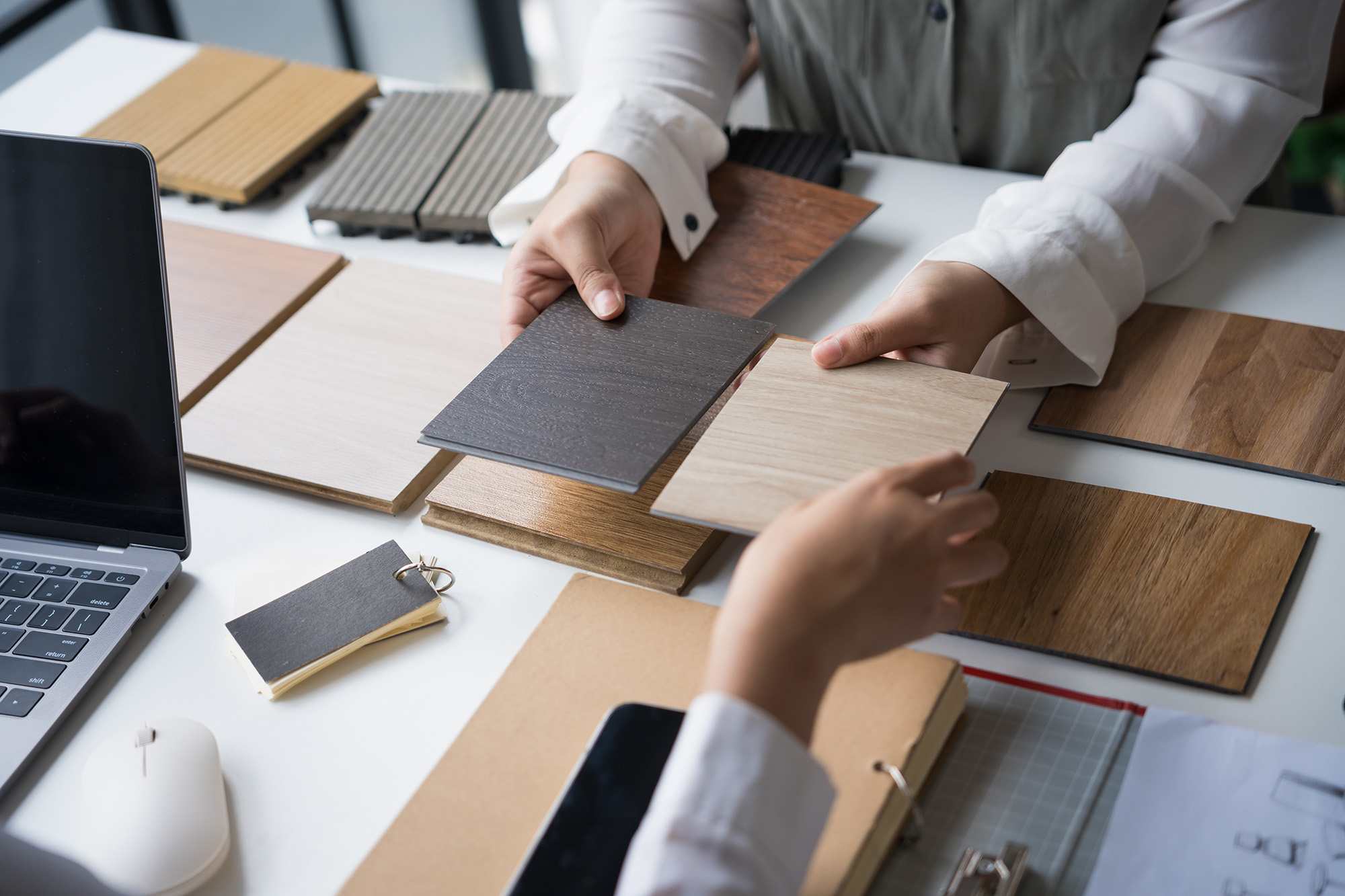
Knowing how the testing works gives you better questions to ask when comparing flooring, rather than relying on the word waterproof alone to make a decision. Worth asking about any product under consideration:
What wear layer thickness, in mils, backs up the durability claim, separate from the waterproof core rating
Whether the installation method, such as sealed seams or a proper moisture barrier, is part of what makes the finished floor perform as advertised
Whether the waterproof rating applies to the whole plank system or just the core material
These questions get past the marketing language and into the actual engineering decisions that determine how a floor performs in your home over the years, not just in a lab tank for 24 hours.
Get Straight Answers Before You Buy
Popular Flooring Company walks customers across Wichita Falls, Vernon, Iowa Park, Burkburnett, and Henrietta, TX through what a waterproof rating actually covers before they buy, not after installation reveals a gap between the lab test and real world use. Understanding the testing behind the label leads to better decisions than trusting the word alone.
Our Waterproof and Rigid Core Vinyl line includes documentation on core testing and wear layer specs for every product we carry, so you know exactly what you are comparing.
Understanding what stands behind a waterproof claim makes for a much smarter flooring decision. Visit Iowa Park, TX or our Iowa Park showroom to see testing documentation and compare products side by side, serving homeowners across Wichita Falls, Vernon, Iowa Park, Burkburnett, and Henrietta, TX.
Contact us to schedule a free in-home consultation and get real answers about what a waterproof rating actually means for your home.


