

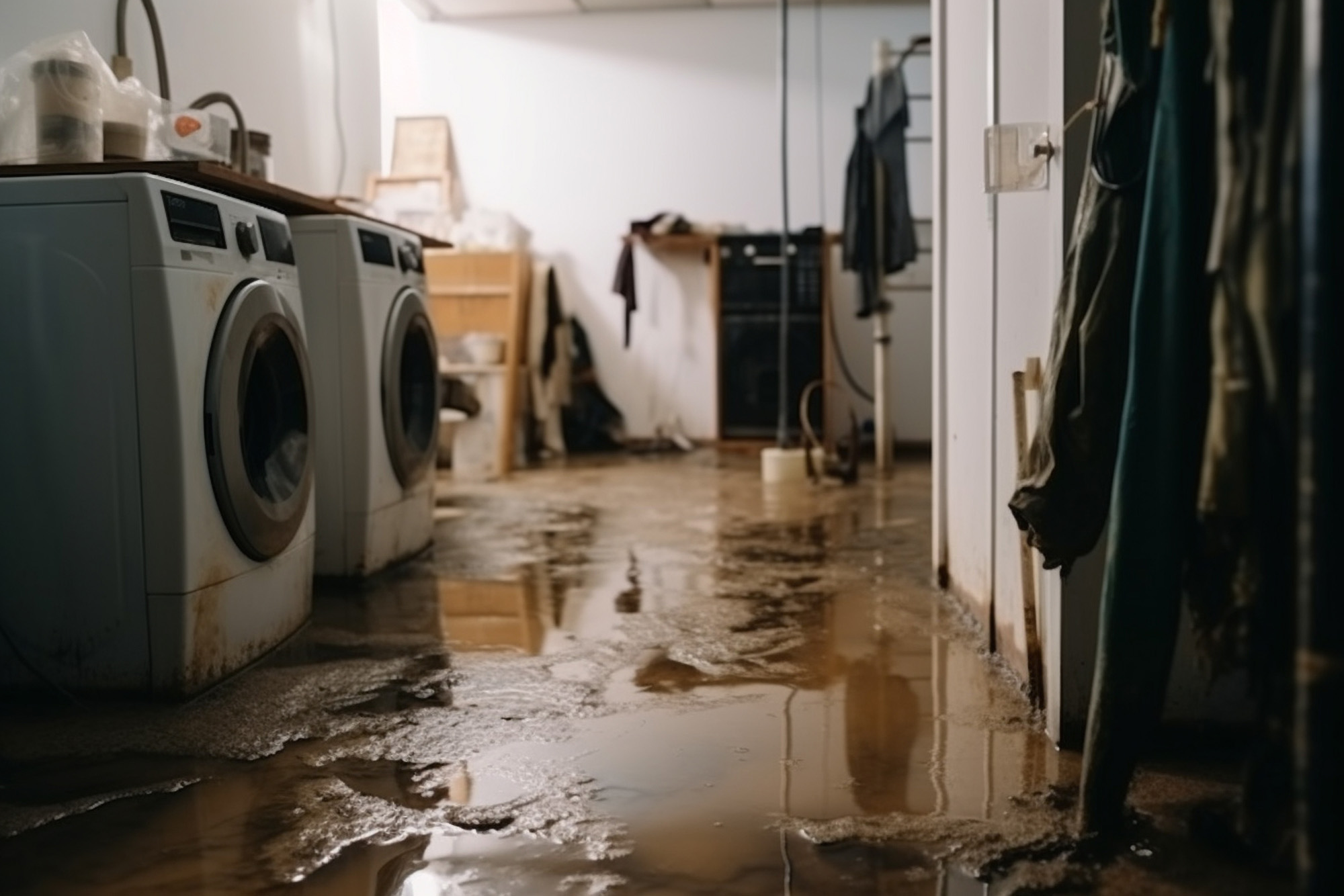
"100% waterproof" sells a lot of flooring, and it's technically true — the plank itself won't swell or break down in water. But a plank is not a floor. The seams, the perimeter, and the subfloor underneath are all part of the system, and that's where the waterproof promise quietly falls apart.
The Plank Is Waterproof, the Floor System Isn't
A rigid-core or vinyl plank can sit in a bucket of water for a week and come out fine. That's what the label is measuring. What it isn't measuring is what happens when water finds the micro-gaps between planks, runs down the edges, and reaches the subfloor below.
Floating floors aren't sealed at every seam. A big spill, an overflowing dishwasher, or a slow appliance leak can wick through the locking joints and pool underneath, where the waterproof plank now works against you. It traps that moisture in the dark, against your subfloor, with nowhere to evaporate.
Trapped Moisture Is How Mold Starts
Mold doesn't need much: moisture, a little organic material, and time. A wood or OSB subfloor sitting under trapped water checks every box. Because the waterproof plank seals the moisture in rather than letting it dry, the problem grows silently for weeks or months before you smell anything.
By the time a musty odor reaches the room or a plank starts to feel soft, the damage underneath is usually well advanced. This is the part of "waterproof" nobody puts on the box, and it's the exact failure Popular Flooring Company gets called out to inspect most often.
Where Leaks Sneak In
Most trapped-moisture problems trace back to a handful of predictable spots. Knowing them lets you catch trouble early:
Dishwasher and fridge water lines that drip slowly behind cabinets
Toilet bases and tub edges where caulk has failed
Exterior door thresholds during driving Texas rain
The perimeter expansion gap if it isn't sealed or trimmed correctly
None of these announce themselves. They seep, and the floor hides them.
How a Proper Installation Protects You
The fix isn't avoiding waterproof flooring — it's installing it like a system. In wet-prone rooms, we seal the perimeter and seams, run the right moisture barrier over the subfloor, and pay close attention to thresholds and transitions where water likes to enter.
Subfloor prep matters just as much. We check moisture levels before anything goes down, especially over a concrete slab, because trapping existing slab moisture under a vinyl floor causes the same mold problem from below. Done right, a waterproof floor genuinely protects your home. Done casually, it just hides the leak.
"Waterproof" should describe your whole floor, not just the plank on the shelf. Family owned since 1987, Popular Flooring Company installs moisture-prone rooms the right way and inspects suspect floors before small leaks turn into subfloor replacement.
We proudly serve Wichita Falls, Vernon, Iowa Park, Burkburnett, and Henrietta, TX with free measurements and complete, start-to-finish installation. Stop by Iowa Park, TX to talk through your space, and contact us today to schedule your free estimate.


